Types of Fabric: A Beginner’s Guide to Popular Indian Dress Materials
Walk into any fabric market and the choice can feel overwhelming. Cotton, rayon, georgette, crepe, brocade, chiffon, magic cotton… and every shop seems to describe them differently. This guide explains the most popular fabrics used for Indian clothing in simple terms: what each one is made of, how it feels, how it is woven, what it is good for and how to care for it.
Natural, semi-synthetic and synthetic fabrics
- Natural: made from plant or animal fibres, such as cotton, linen, silk and wool. Breathable and comfortable.
- Semi-synthetic: made from natural cellulose processed into fibre, such as rayon, viscose and modal. Soft and drapey.
- Synthetic: made from petroleum-based polymers, such as polyester and nylon. Durable and low maintenance.
- Blends: mixes of the above, such as cotton-polyester, to combine benefits.
Popular fabrics at a glance
| Fabric | Feel | Best for |
|---|---|---|
| Cotton | Soft, breathable, matte | Daily kurtis, shirts, summer wear |
| Magic cotton | Smooth, soft, low-crease cotton blend | Printed kurtis, suits, dresses |
| Rayon / viscose | Silky, drapey, cool | Flowy kurtis, palazzos, anarkalis |
| Georgette | Light, sheer, grainy texture | Sarees, dupattas, festive wear |
| Chiffon | Very light, smooth, transparent | Sarees, dupattas, overlays |
| Crepe | Crinkled, opaque, fluid | Kurtas, dresses, office wear |
| Silk | Lustrous, smooth, luxurious | Sarees, wedding wear |
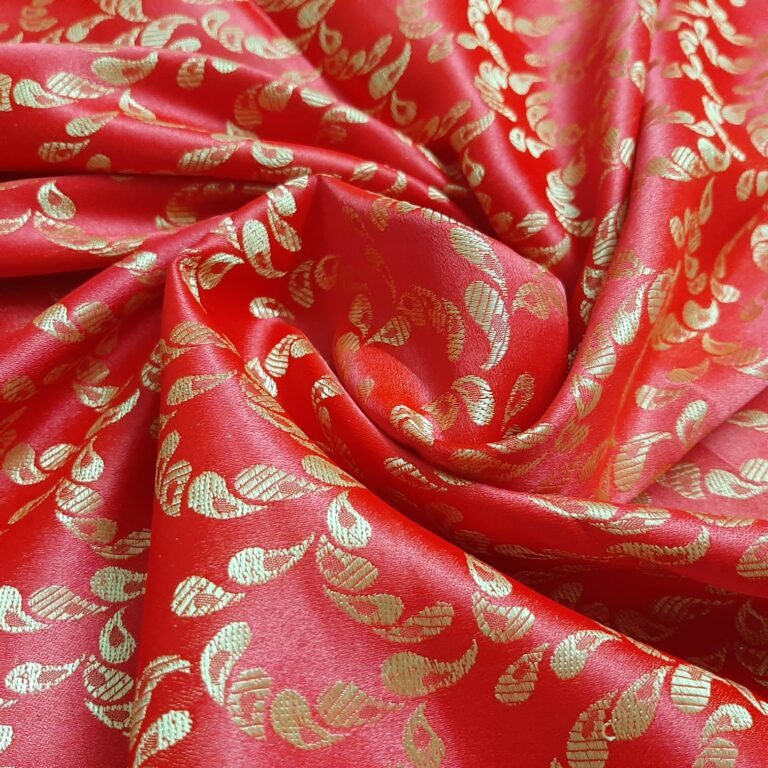
| Brocade | Rich woven motifs with zari | Lehengas, blouses, jackets |
| Linen | Crisp, textured, very breathable | Shirts, summer suits |
| Polyester | Smooth, durable, wrinkle resistant | Budget wear, linings, blends |
| Velvet | Plush, soft pile, rich | Winter weddings, jackets |
Weaves explained
The same fibre can be woven in different ways, and the weave changes the look and feel completely.
- Plain weave: the simplest over-under pattern. Strong and versatile. Examples: cambric, voile, mulmul.
- Twill weave: creates fine diagonal lines. Durable and drapes well. Examples: denim, drill.
- Satin weave: long floating yarns create a smooth, shiny face. Examples: satin, sateen.
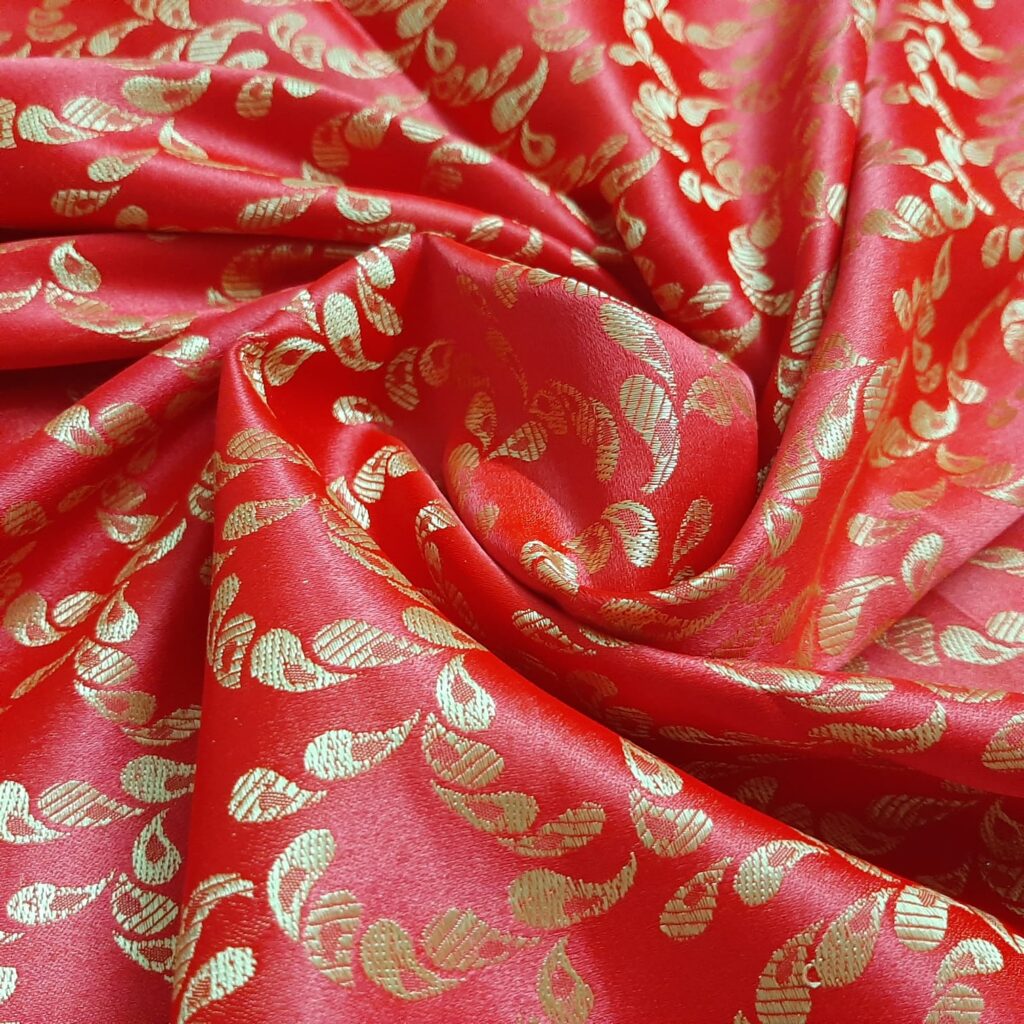
- Jacquard weave: a loom controls each yarn to weave complex patterns into the fabric. Examples: brocade, damask.
- Crepe weave: highly twisted yarns create a crinkled surface. Examples: georgette, crepe.
Woven vs knitted fabrics
Most Indian dress materials are woven: two sets of yarns interlace at right angles, giving stable fabric that does not stretch much. Knitted fabrics, like T-shirt jersey and hosiery, are made of interlocking loops and stretch easily. Knits are comfortable for casual wear, while wovens are better for tailored kurtas, blouses and lehengas.
Fabrics by season
| Season | Best fabrics |
|---|---|
| Summer | Cotton, mulmul, linen, khadi, rayon |
| Monsoon | Quick-drying crepe, polyester blends, light rayon |
| Winter | Velvet, brocade, heavier silk, wool blends |
| Festive (any season) | Georgette, silk, brocade, embroidered fabrics |
How to choose the right fabric
- Season: breathable fabrics for summer; richer fabrics for winter evenings. See best fabrics for summer.
- Silhouette: structured outfits need body (cotton, brocade); flowy outfits need drape (rayon, georgette, chiffon).
- Care: if you want easy washing, choose cotton, magic cotton or polyester blends.
- Occasion: daily wear in cotton and rayon; weddings in brocade, silk and embroidered fabrics.
- Budget: blends and polyester versions give the look for less; pure silk and hand work cost more.
A quick fabric glossary
- GSM: grams per square metre, a measure of fabric weight.
- Drape: how a fabric hangs and moves.
- Selvedge: the finished edge of the fabric that does not fray.
- Zari: metallic thread used in weaving and embroidery.
- Lining: an inner fabric layer for comfort and opacity.
- Bias: the diagonal direction of the fabric, which stretches and drapes more.
- Pre-shrunk: fabric treated so it shrinks less after washing.
Fabric by occasion
| Occasion | Fabrics that work well |
|---|---|
| Office | Cotton, magic cotton, crepe, linen |
| College and casual | Rayon, printed cotton, magic cotton |
| Travel | Crepe, magic cotton, polyester blends |
| Festivals and pujas | Georgette, silk blends, embroidered fabrics |
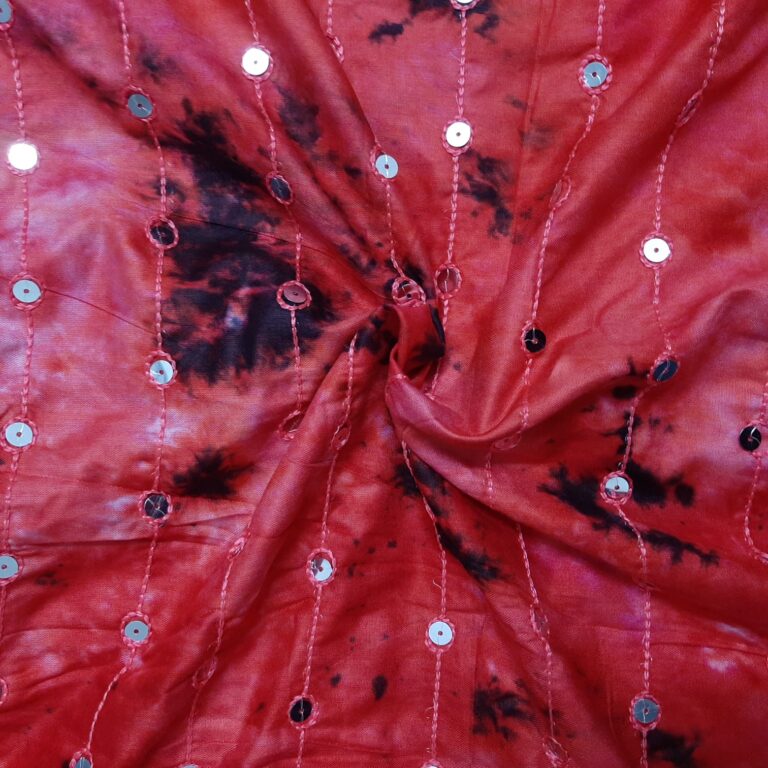
| Weddings | Banarasi brocade, silk, zari and sequin embroidery |
Common mistakes when choosing fabric
- Judging by colour alone: two fabrics in the same colour can feel completely different. Always check the fibre and weight.
- Ignoring care needs: a dry-clean-only fabric for daily wear quickly becomes expensive.
- Choosing sheer fabric without a lining plan.
- Buying synthetic fabric for peak summer, then finding it too hot to wear.
- Not checking the width, and ending up short of fabric.
Keep learning
- What is magic cotton?
- Viscose vs rayon
- Georgette vs chiffon vs crepe
- Banarasi brocade buyer’s guide
- Which fabric is best for kurtis?
Frequently asked questions
Which fabric is the most comfortable?
For Indian weather, cotton and linen are the most breathable. Rayon is a soft, cool alternative with better drape.
Which fabric lasts the longest?
Good-quality cotton, linen and polyester blends are the most durable for regular wear.
What is the most premium fabric?
Pure silk, handwoven Banarasi brocade and hand-embroidered fabrics are among the most premium choices.
How can I tell natural fibres from synthetic at home?
Natural and cellulose fibres (cotton, linen, rayon) feel dry or cool, absorb water quickly and burn like paper. Synthetics (polyester, nylon) feel smoother or slightly plastic, repel water at first and melt when burned. See our step-by-step cotton identification guide.
Which fabric is easiest for a beginner to stitch?
Medium-weight cotton and cambric are the easiest: they do not slip, press well and show stitching mistakes less. Save chiffon, georgette and satin for when you have more practice.
Which fabrics are best for kids?
Soft cotton, mulmul and cotton-rich blends are gentle on skin and easy to wash. Avoid scratchy zari and heavy sequins on the inside of children’s clothes.
Do I need a different fabric for a lining?
Yes. Linings should be soft, thin and breathable. Cotton, cotton cambric and shantoon are common choices; avoid stiff or synthetic linings in summer outfits.
Ready to start? Browse our full fabric collection.