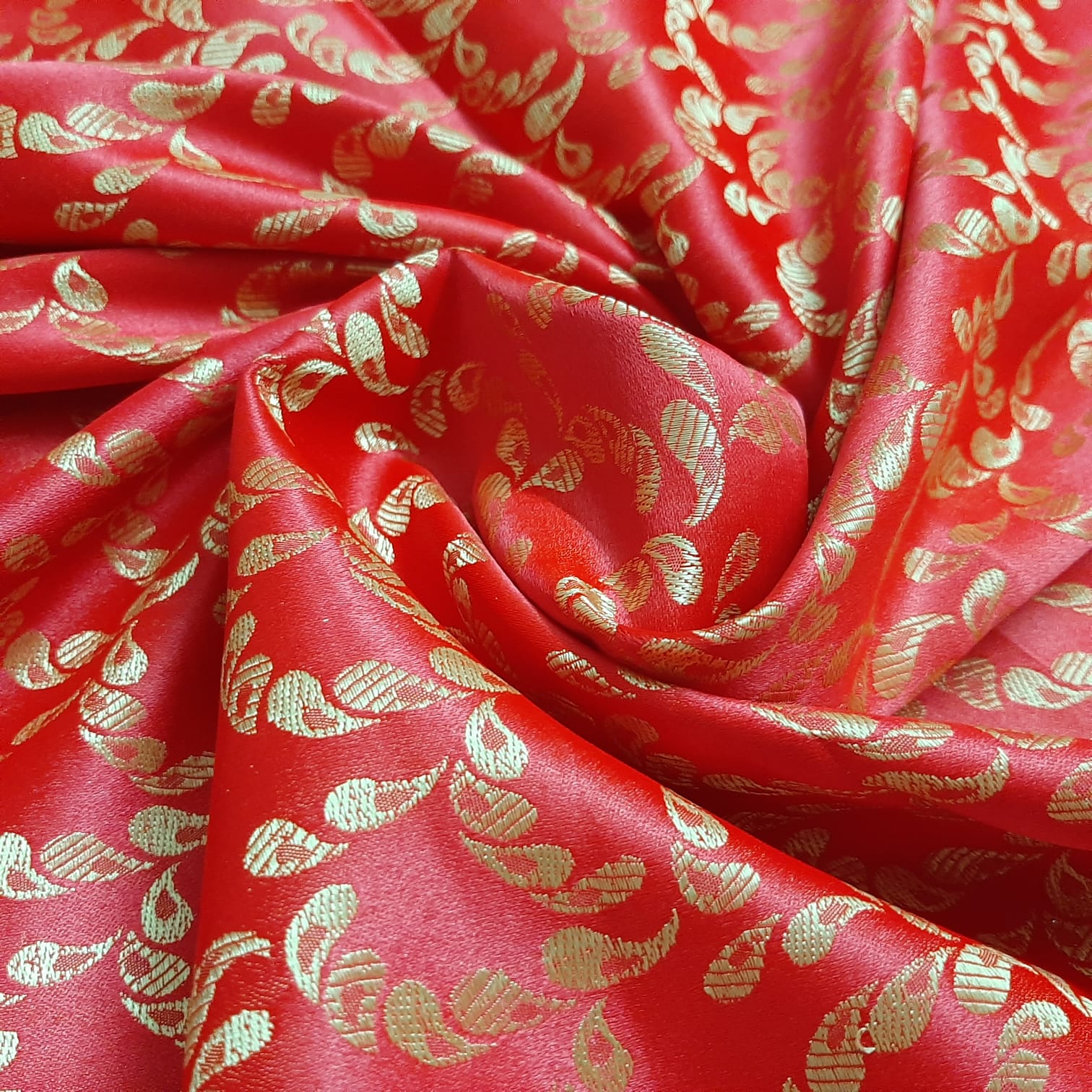
Banarasi Brocade Fabric: The Complete Buyer’s Guide
Few fabrics say “celebration” in India the way Banarasi brocade does. The rich woven motifs, the metallic shine and the weight of the cloth make it a natural choice for lehengas, blouses, festive kurtis and jackets. But brocade varies a lot in quality and price, and buying it online can feel risky. This guide explains what Banarasi brocade is, the main types you will come across, how to judge quality from photos and in your hands, and how to use and care for it.
What is brocade?
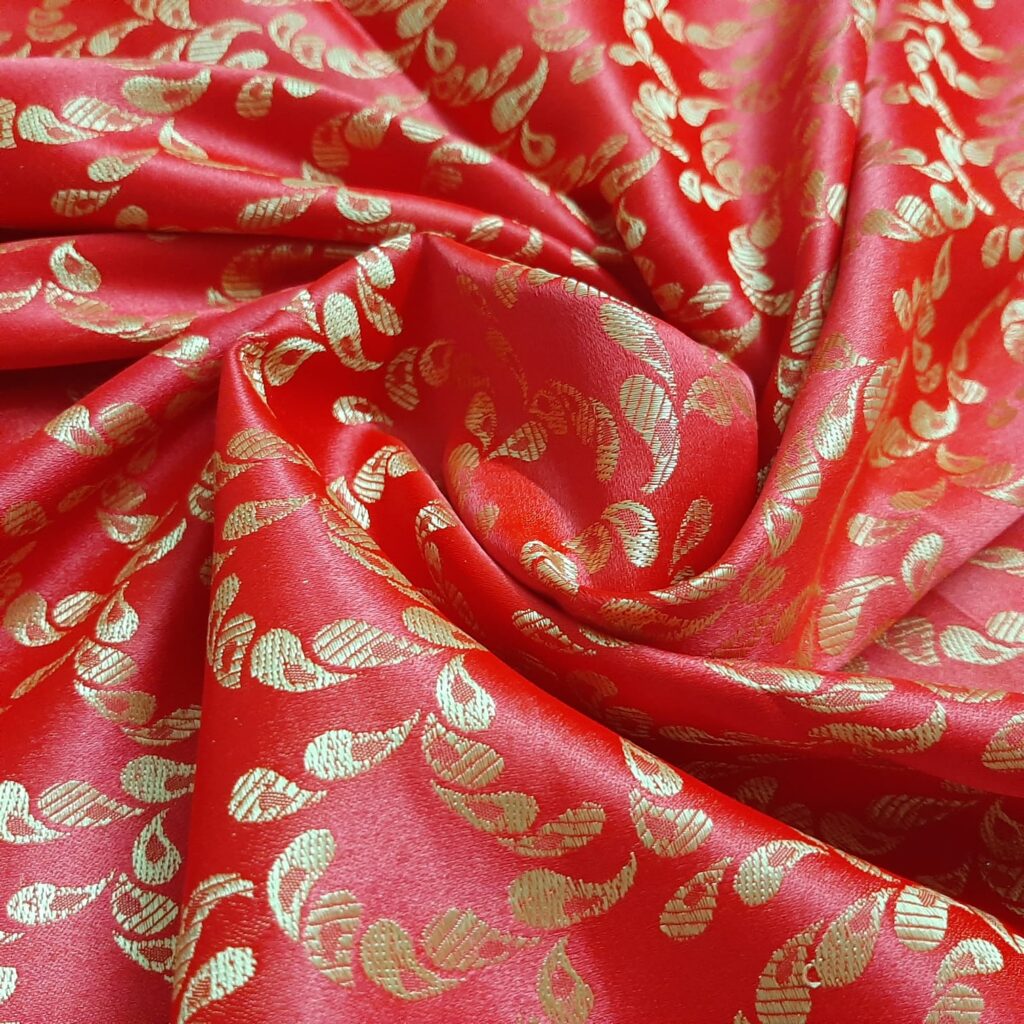
Brocade is a woven fabric where the pattern is created on the loom itself, using extra threads (called supplementary weft) that float across the base cloth to form motifs. Because the design is woven in rather than printed or embroidered, it looks raised, catches the light and feels richer than a printed fabric. Turn a brocade over and you will usually see the loose threads of the pattern on the back. That is normal and a sign of a true woven brocade.
What makes Banarasi brocade special?
Varanasi (Banaras) has been a centre of brocade weaving for centuries, and “Banaras Brocades and Sarees” are protected with a Geographical Indication (GI) tag. Banarasi brocades are known for dense floral and paisley motifs, Mughal-inspired jaal (all-over trellis) patterns and generous use of zari, the metallic thread that gives the fabric its golden or silver glow.
Today the term “Banarasi brocade” is also widely used for fabrics woven in the Banarasi style elsewhere, often in silk-cotton or poly-silk blends. These blends make the look far more affordable and easier to care for, which is why they are popular for lehengas, blouses and kurtis.
Common types of brocade you will see
- Kimkhab (kinkhwab): the heaviest, most opulent style, with so much zari that the base fabric is barely visible. Traditionally made for royalty.
- Jacquard brocade: woven on jacquard looms that control each thread, allowing intricate, repeatable patterns. Most brocade sold today is jacquard-woven.
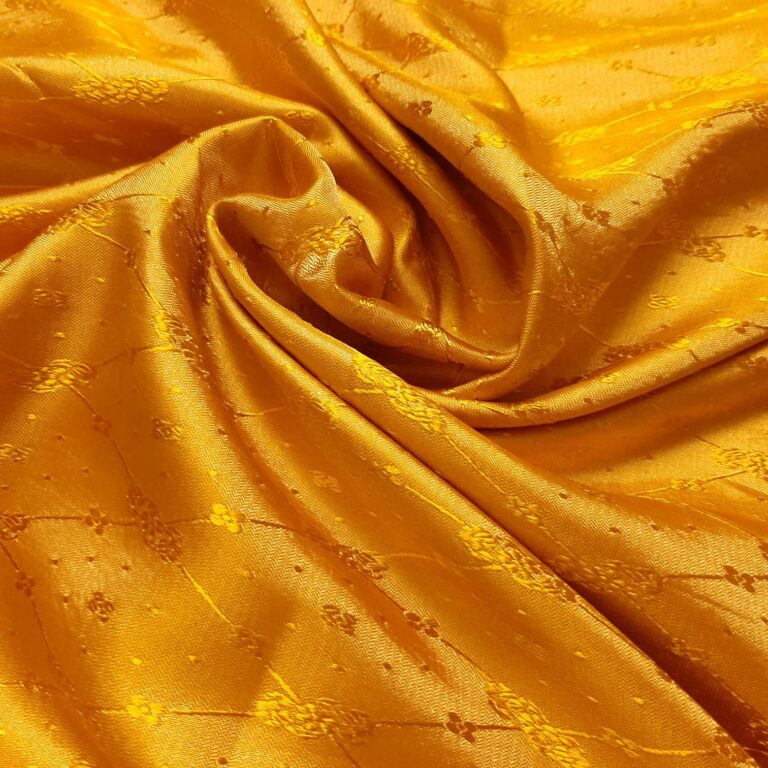
- Satin brocade: brocade motifs on a satin base, giving a smooth, glossy surface with a soft fall.
- Silk-cotton blend brocade: combines the sheen of silk with the comfort and body of cotton. A practical choice for blouses and kurtis that need to be worn for long hours.
- Tanchoi: a Banarasi weave with small, dense, repeating motifs woven in several coloured threads, usually without heavy zari.
How to check brocade quality
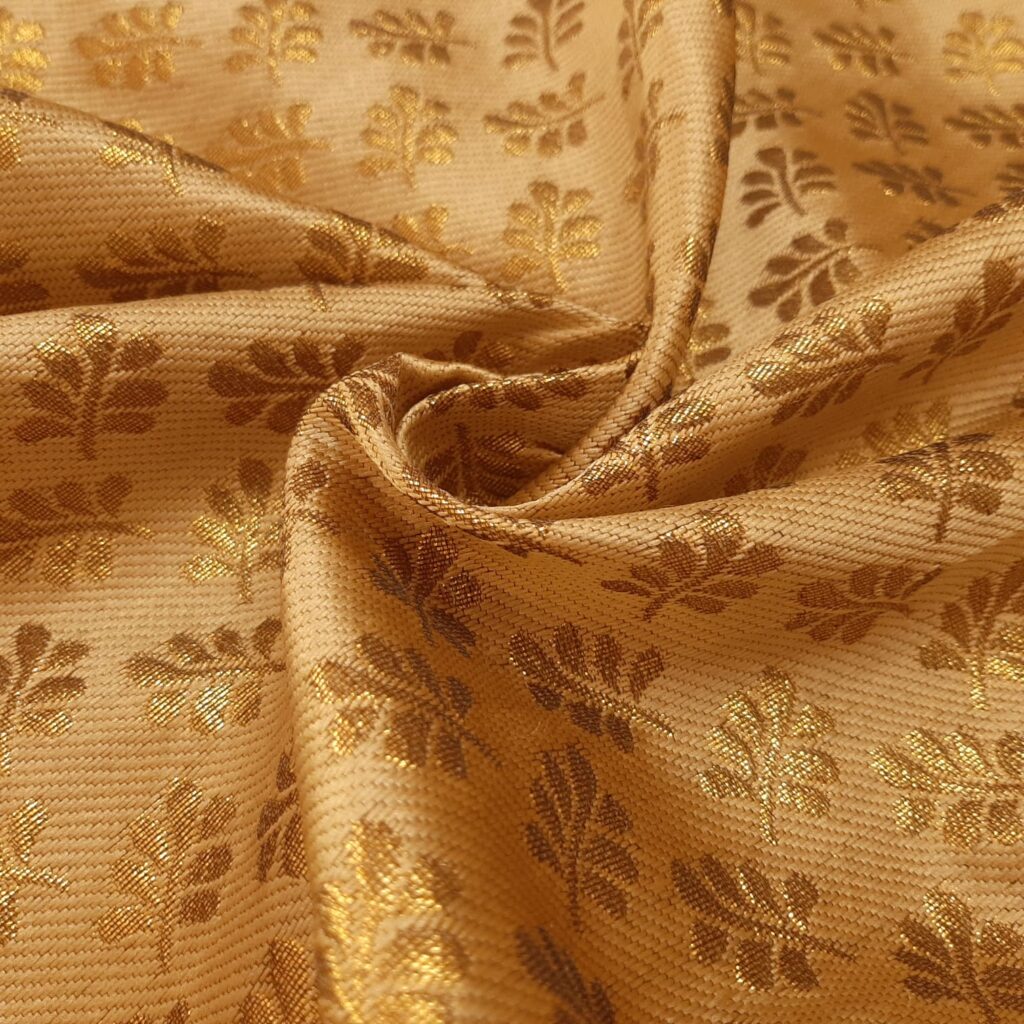
Whether you are looking at photos or holding the fabric, these are the things that separate good brocade from average:
- Sharp motifs: the edges of flowers and paisleys should be crisp, with no blurred or broken lines.
- Dense weave: hold it to the light. Good brocade lets very little light through the base fabric.
- Neat back side: floats on the back are expected, but they should be even and not so long that they snag easily.
- Zari finish: zari should shine evenly without looking plasticky. Real silver or gold zari is rare and expensive; most modern brocade uses tested (copper-based) or metallic zari, which is perfectly fine for everyday festive wear.
- Hand feel: brocade should feel substantial but not stiff like cardboard. Silk-cotton blends should feel soft on the inside.
Best uses for Banarasi brocade
- Lehenga skirts: brocade holds its shape beautifully, so A-line and panelled lehengas look structured and rich.
- Blouses: a brocade blouse instantly lifts a plain silk or georgette saree.
- Festive kurtis and yokes: use brocade for the full kurti or just the yoke and sleeves, paired with a plain bottom.
- Jackets and Nehru jackets: a short brocade jacket over a simple kurta works for men and women.
- Home decor: cushion covers, table runners and potli bags are great ways to use leftover pieces.
Not sure how much fabric to buy? See our metre guide for kurtis, suits, lehengas and blouses.
How to care for brocade
- Dry clean for the first wash, and preferably always for heavy zari pieces.
- Never wring or scrub brocade; it can pull the floats on the back.
- Iron on the reverse side on low to medium heat, with a cotton cloth in between.
- Store folded in a muslin or cotton cloth, not plastic, and refold along different lines every few months to avoid permanent creases.
- Keep away from perfume and deodorant sprays, which can tarnish zari.
For more detail, read our complete fabric care guide.
Shop Banarasi brocade online
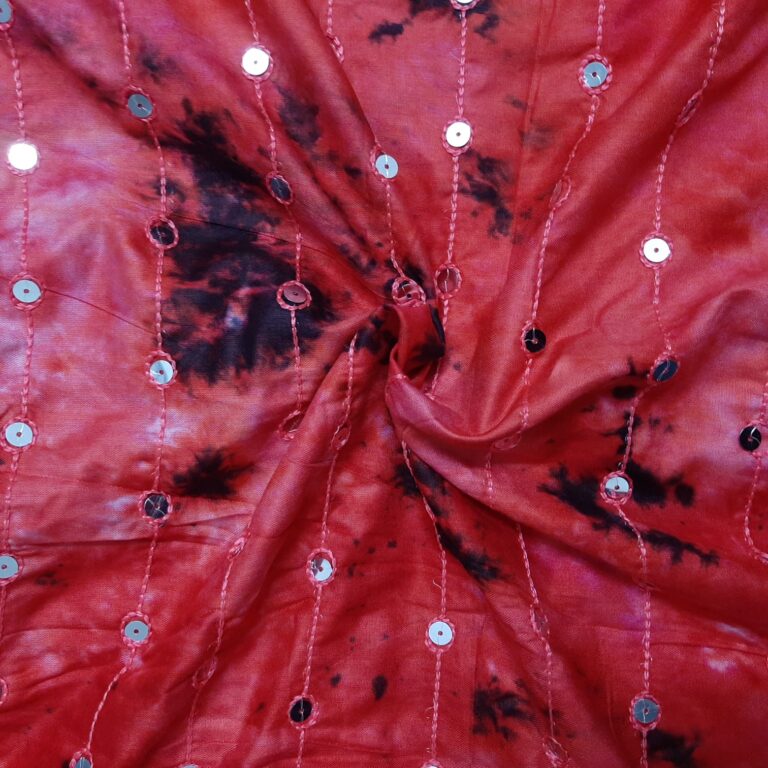
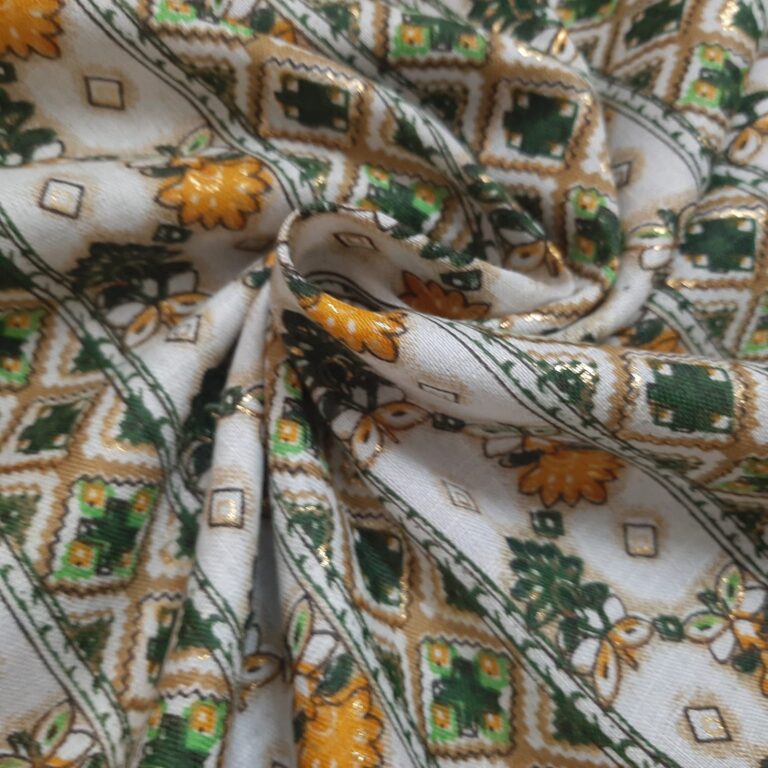
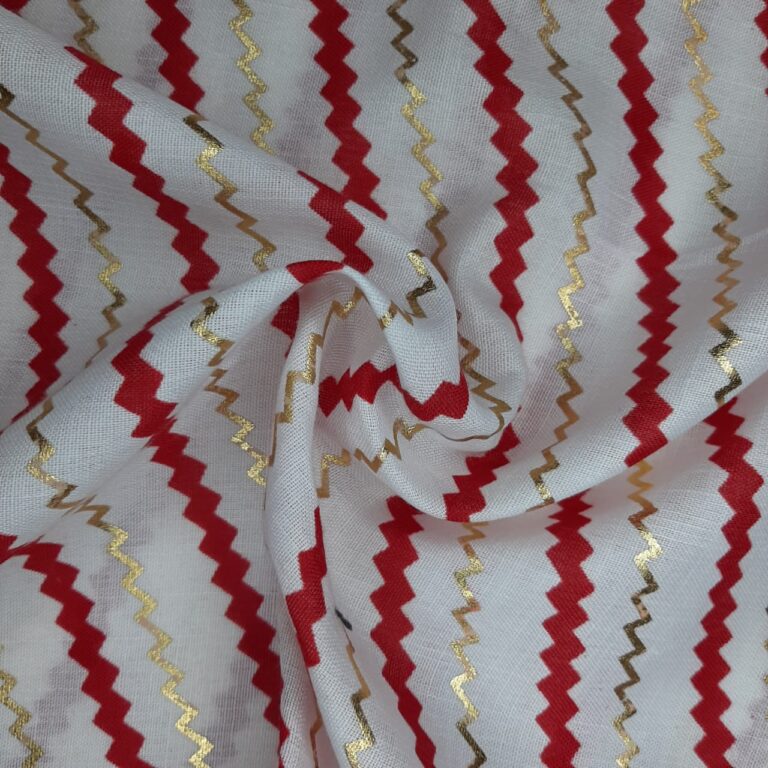
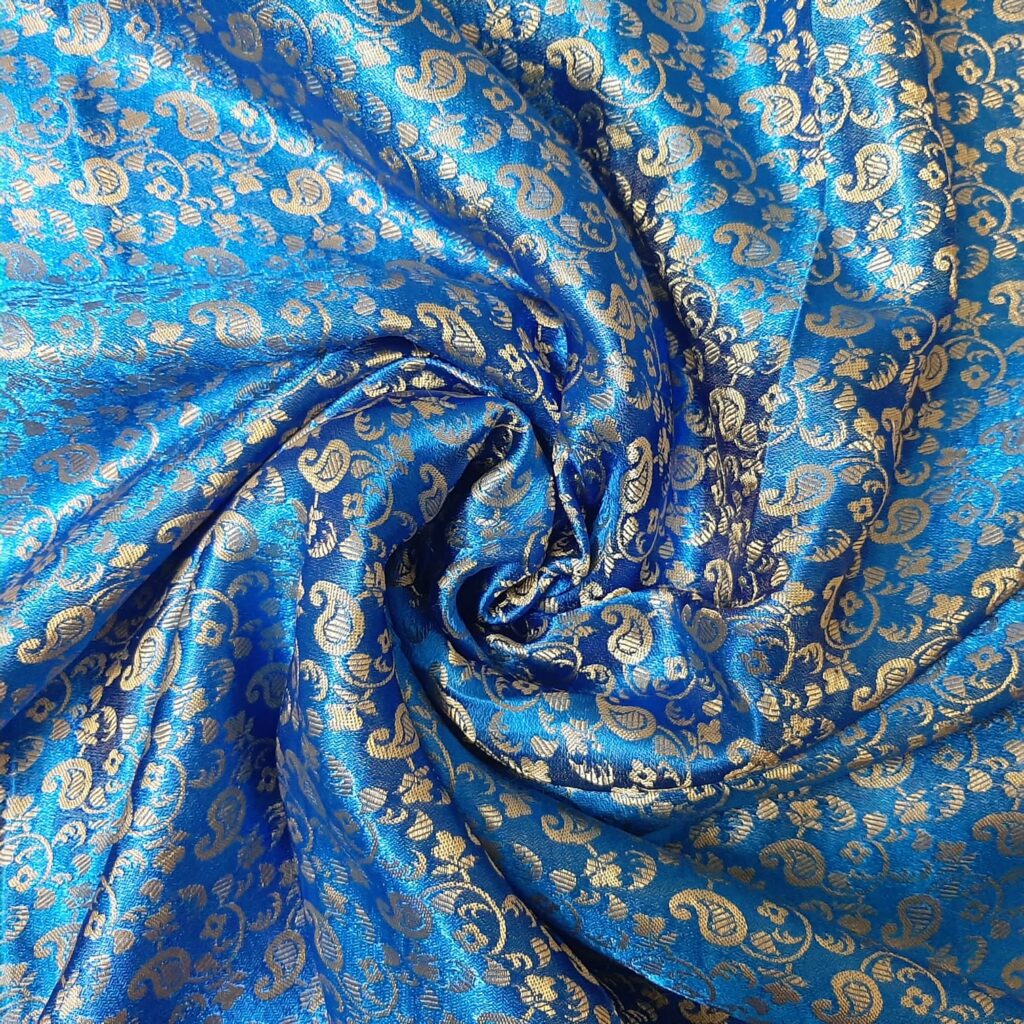
Our Banarasi & Brocade collection includes silk-cotton blend and satin brocades in festive reds, royal blues, wines, golds and soft creams, photographed in natural light so you can see the real weave. Every order ships across India, with free shipping above ₹500.