Georgette Fabric Guide: Types, Drape and Best Uses
Georgette is the fabric behind many of India’s most graceful outfits: flowing sarees, swirling anarkalis and floaty dupattas. It is light, slightly sheer and moves beautifully with every step. But not all georgette is the same, and choosing the right type makes a big difference to comfort, look and price. Here is everything you need to know before you buy.
What is georgette?
Georgette is a lightweight, sheer to semi-sheer fabric woven from highly twisted yarns. The yarns are twisted in alternating directions, which gives georgette its signature slightly grainy, crinkled surface and a springy, bouncy drape. It is named after the early 20th-century French dressmaker Georgette de la Plante.
Types of georgette
| Type | Made from | Feel and use |
|---|---|---|
| Pure georgette | Silk | Luxurious, soft and breathable. Premium sarees and bridal wear. Highest price. |
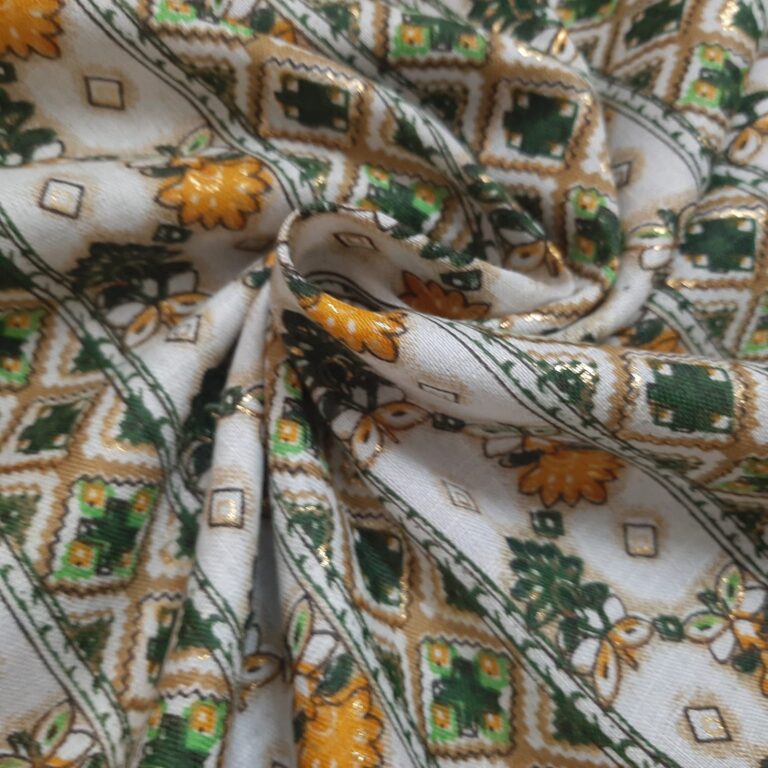
| Faux georgette | Polyester | The most common type. Durable, affordable, holds prints and embroidery well. |
| Viscose georgette | Viscose (rayon) | Softer and more breathable than polyester, with a fluid drape. |
| Double georgette | Silk or polyester, heavier yarns | Less sheer, more body. Good for kurtas and lehengas. |
| Satin georgette | Usually polyester | Georgette with a smooth, lustrous face. Elegant for evening wear. |
Why people love georgette
- Drape: it falls and flows, flattering most body types.
- Light weight: comfortable even in long festive outfits.
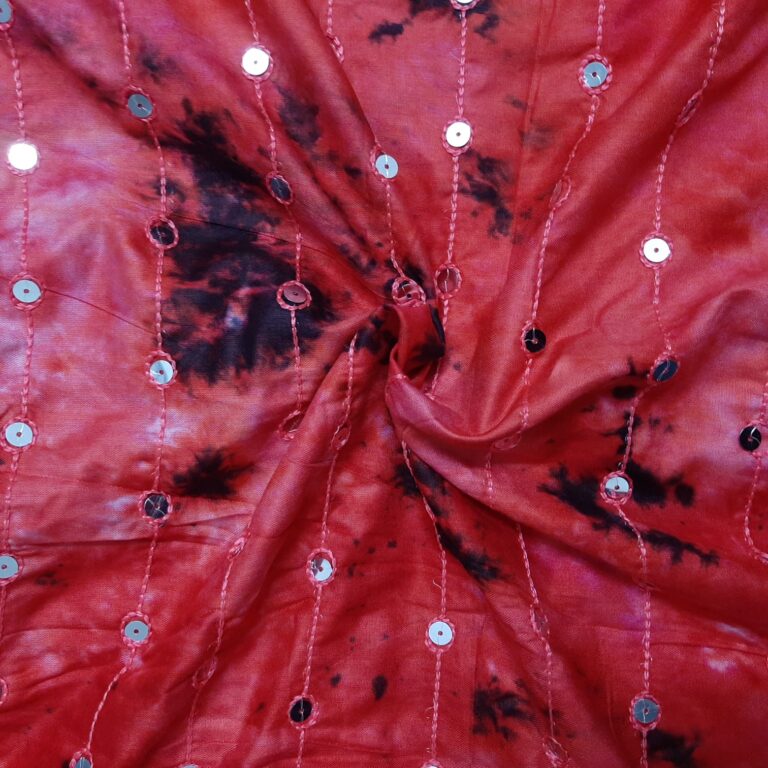
- Great canvas: takes prints, sequins, embroidery and mirror work beautifully.
- Low creasing: polyester georgette travels well and rarely needs heavy ironing.
- Range of prices: from affordable polyester to luxurious pure silk.
How to judge georgette quality
- Even texture: the grainy surface should look uniform, without thick or thin patches.
- Weight and body: very thin georgette can look cheap and slip at the seams. Medium weight drapes better and lasts longer.
- Print quality: printed georgette should have sharp edges and even colour on the face side.
- Work quality: on embroidered or sequinned georgette, the work should not pull or pucker the fabric.
- Edges: good georgette frays less at the cut edge; heavy fraying makes stitching harder.
Best uses
- Sarees: easy to drape and pleat, ideal for parties and weddings.
- Anarkalis and gowns: the flare looks dramatic and moves well.
- Dupattas: light enough to drape comfortably all day.
- Festive kurtis and palazzo sets: especially with embroidery. See our embroidered fabric guide.
- Tops and tunics: a georgette top over a camisole works well for western and fusion looks.
Lining guide for georgette
| Outfit | Lining needed? | Suggested lining |
|---|---|---|
| Saree | No (worn with petticoat) | Matching petticoat |
| Kurti or kurta | Usually yes | Soft cotton or shantoon |
| Anarkali or gown | Yes | Cotton or crepe for comfort |
| Dupatta | No | Not needed |
| Lehenga | Yes, plus can-can if desired | Shantoon or crepe |
Tips for stitching georgette
- Georgette can slip while cutting; ask your tailor to use sharp scissors and fine needles.
- French seams or overlocked edges stop fraying and look neater on sheer fabric.
- Flared designs use more fabric. Check our metre guide.
- Let the fabric hang for a day before hemming flared outfits, as the bias can drop slightly.
Styling ideas
- A printed georgette saree with a contrast brocade blouse for weddings. See our brocade guide.
- A pastel embroidered georgette anarkali for day functions and haldi.
- A sequinned georgette dupatta to lift a plain suit for sangeet.
How to care for georgette
- Dry clean heavy or embroidered georgette.
- Hand wash plain georgette in cold water with a mild detergent; do not wring.
- Dry flat or on a hanger in the shade.
- Iron on low heat with a pressing cloth; polyester georgette can melt under a hot iron.
- Store folded or on padded hangers to avoid snags.
Georgette by occasion
| Occasion | Georgette choice |
|---|---|
| Office and daily | Printed viscose georgette kurtis with a lining |
| Parties | Plain or printed georgette sarees and dresses |
| Haldi and mehndi | Pastel or bright georgette with thread or mirror work |
| Sangeet | Sequinned georgette anarkalis and dupattas |
| Wedding and reception | Heavily embroidered or pure silk georgette |
Common mistakes with georgette
- Skipping the lining: unlined georgette kurtas look see-through in daylight.
- Using a hot iron: polyester georgette can melt or turn shiny. Always use low heat and a pressing cloth.
- Buying too little for flared designs: anarkalis and gowns need much more fabric than straight kurtas.
- Machine washing embroidered georgette: it can pull the work and damage sequins.
Frequently asked questions
Is georgette comfortable in summer?
Viscose and pure (silk) georgette are reasonably breathable. Polyester georgette is light but traps more heat, so it suits evenings and air-conditioned events better.
What is the difference between georgette and chiffon?
Chiffon is lighter, smoother and more transparent; georgette has more texture and body. See georgette vs chiffon vs crepe.
How can I tell pure georgette from faux?
Pure silk georgette feels softer and warmer, breathes better and burns like hair with a soft ash. Polyester melts into a hard bead. The price difference is also significant.
Does georgette shrink?
Polyester georgette hardly shrinks. Viscose and silk georgette can shrink slightly, so dry clean or wash gently in cold water.
Can georgette be worn to the office?
Yes. A lined, printed or solid viscose georgette kurta looks elegant and professional. Choose subtle prints and avoid heavy sequins or very sheer qualities for work.
Why does my georgette dupatta snag?
The open, twisted weave can catch on jewellery, zips and rough surfaces. Store it folded away from hooks, wash it separately in a mesh bag and gently ease any pulled thread back into place with a needle rather than cutting it.
Browse our Georgette collection for plain, printed and embroidered georgette fabrics.