Viscose vs Rayon: Are They the Same Fabric?
Shop for kurti fabric and you will see both “rayon” and “viscose”, sometimes even “viscose rayon”. Are they different fabrics or two names for the same thing? Short answer: viscose is a type of rayon. In this guide we explain how they are made, how they compare with modal, lyocell and cotton, how to buy good quality and how to care for them so they do not shrink.
What is rayon?
Rayon is the family name for fibres made from regenerated cellulose, usually wood pulp from trees such as eucalyptus, beech or bamboo. The cellulose is dissolved, then forced through fine holes to form fibres. Because the raw material comes from plants, rayon behaves a lot like natural fibres: it breathes and absorbs moisture.
What is viscose?
Viscose is rayon made by the viscose process, the oldest and most common method. In India, when a seller says “rayon”, they almost always mean viscose rayon. So for everyday shopping, viscose and rayon fabric are effectively the same thing.
How viscose is made
- Wood pulp is treated with caustic soda to form alkali cellulose.
- It reacts with carbon disulphide to form cellulose xanthate.
- This is dissolved into a thick, honey-like solution called “viscose”.
- The solution is pushed through tiny holes (spinnerets) into an acid bath, where it hardens back into cellulose fibres.
- The fibres are spun into yarn and woven or knitted into fabric.
The chemicals involved need careful handling, which is why responsibly made viscose comes from producers who manage emissions and use pulp from certified forests.
Other members of the rayon family
| Fibre | How it differs |
|---|---|
| Viscose rayon | The standard type. Soft, drapey, affordable. Weaker when wet. |
| Modal | A refined rayon, stronger when wet, very soft, shrinks less. Often used in premium innerwear and T-shirts. |
| Lyocell (often sold as Tencel) | Made in a closed-loop process that recycles the solvent. Strong, smooth and more eco-friendly. |
| Bamboo viscose | Viscose made from bamboo pulp. Feels the same as regular viscose. |
How viscose rayon feels and behaves
- Very soft and smooth, often described as silky.
- Drapes beautifully, ideal for flowy kurtis, anarkalis and palazzos.
- Breathable and cool to wear.
- Takes dye brilliantly, so colours look rich and vivid.
- Weaker when wet and can shrink, so it needs gentle washing.
Viscose vs cotton vs polyester
| Viscose | Cotton | Polyester | |
|---|---|---|---|
| Source | Plant cellulose, processed | Natural plant fibre | Petroleum-based |
| Feel | Silky, fluid | Soft, crisp | Smooth, sometimes plastic-like |
| Breathability | Very good | Excellent | Low |
| Wrinkles | Moderate | High | Low |
| Durability | Moderate | High | Very high |
For a kurti-focused comparison, read rayon vs cotton for kurtis.
Viscose blends
Viscose is often blended to improve performance. Viscose-cotton blends add strength and structure; viscose-polyester blends reduce wrinkles and shrinkage; and viscose with a touch of elastane adds stretch. Georgette and crepe are also commonly made in viscose. See our georgette guide.
Buying tips
- Check whether the fabric is pre-shrunk; if not, buy a little extra length.
- Medium-weight rayon is less see-through and lasts longer than very thin rayon.
- Look for even dyeing without streaks, especially in solid colours.
- Ask about colour fastness for dark shades.
Is viscose sustainable?
It depends on how it is made. Viscose starts from a renewable plant source and is biodegradable, which is a real advantage over polyester. But the conventional viscose process uses chemicals that must be handled responsibly, and pulp should come from well-managed forests rather than ancient woodland. If sustainability matters to you, look for lyocell, or for viscose from producers who publish their forest sourcing and chemical-recovery practices.
Rayon and viscose by occasion
| Occasion | Good choice |
|---|---|
| Daily and college | Printed rayon kurtis and palazzo sets |
| Office | Solid or small-print viscose crepe kurtas |
| Outings and travel | Rayon co-ords and kaftans |
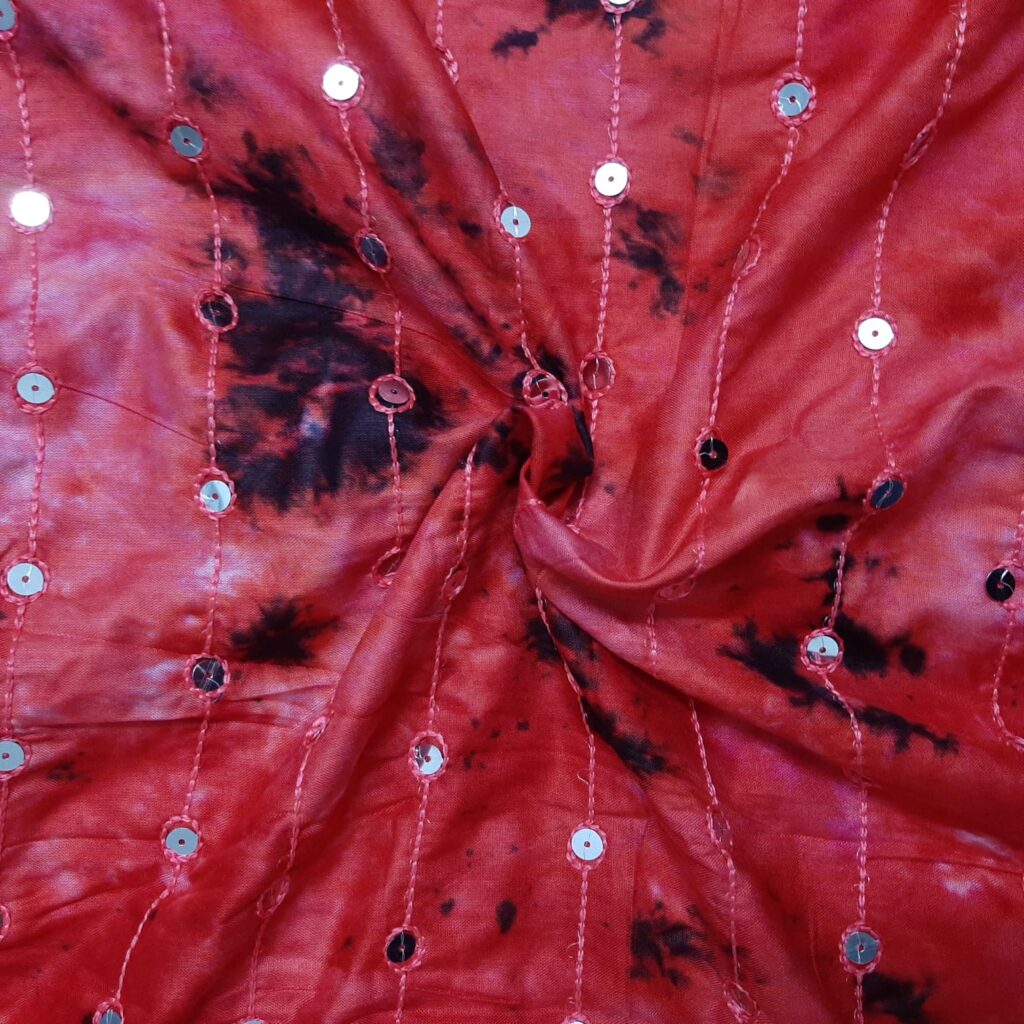
| Festive | Rayon with sequin, mirror or tie-dye work |
Common mistakes with rayon
- Washing in hot water, which causes shrinkage.
- Wringing it out, which stretches and weakens the fibres while wet.
- Tumble drying, which can shrink and distort the fabric.
- Stitching without pre-washing when the fabric is not pre-shrunk.
How to wash viscose and rayon
- Hand wash in cold water or use a delicate cycle in a mesh bag.
- Do not wring or twist; press water out gently with a towel.
- Dry in the shade, flat or on a padded hanger.
- Iron on low heat from the reverse side while slightly damp.
- Pre-wash before stitching if the fabric is not pre-shrunk.
Frequently asked questions
Is viscose a natural or synthetic fabric?
Neither exactly. It is “semi-synthetic”: made from natural cellulose but processed chemically into fibre.
Is viscose better than polyester?
For comfort and breathability, yes. Polyester is more durable and wrinkle resistant but traps heat.
Why did my rayon kurti shrink?
Rayon can shrink in hot water or a hot dryer. Always wash cold and air dry.
Does rayon pill?
Lower-quality rayon can pill where it rubs, such as under the arms. Washing inside out and avoiding rough loads helps.
Is viscose good for sensitive skin?
Many people with sensitive skin find viscose comfortable because it is smooth, soft and breathable. If you react to dyes, choose lighter colours and always wash new fabric before wearing.
Can I iron viscose?
Yes, on low heat from the reverse side while the fabric is slightly damp. High heat can leave shiny marks, so use a pressing cloth on dark colours.
Is bamboo fabric better than regular viscose?
Most “bamboo” fabric is bamboo viscose, which feels and behaves much like regular viscose. The difference is mainly the plant source of the pulp.
Explore soft, flowing fabrics in our fabric collection.